

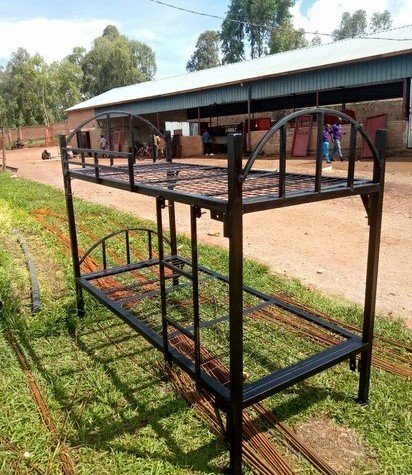
Beautifully Manufacturing Design
Understanding Welding Design: A Beginner's Guide
Introduction
Welding design is a crucial aspect of metal fabrication that involves joining materials together to create strong, durable structures. Whether in construction, automotive, or manufacturing, effective welding design ensures that the final product meets safety standards and performs as intended. In this blog post, we’ll explore the basics of welding design and share some tips for successful projects.
What is Welding Design?
Welding design refers to the planning and execution of welding processes to join metal components. It encompasses various factors, including material selection, joint design, welding techniques, and the overall structural integrity of the finished product. A well-thought-out welding design is essential for achieving strong, reliable welds that can withstand stress and environmental conditions.
Why is Welding Design Important?
- Strength and Durability: Proper welding design ensures that joints are strong enough to handle the loads and stresses they will encounter in their application. This is particularly important in industries like construction and automotive, where safety is paramount.
- Cost-Effectiveness: A good welding design can minimize material waste and reduce the need for rework, ultimately saving time and money in the manufacturing process.
- Quality Control: By following established welding design principles, manufacturers can maintain consistent quality in their products, leading to higher customer satisfaction and fewer defects.
Key Considerations in Welding Design
- Material Selection: Choose the right materials for your project. Different metals have varying properties, such as strength, ductility, and corrosion resistance, which can affect the welding process and the final product.
- Joint Design: The type of joint used in welding (e.g., butt, lap, corner) plays a significant role in the strength of the weld. Consider the load requirements and choose a joint design that provides adequate support.
- Welding Technique: Different welding methods (e.g., MIG, TIG, stick welding) have their advantages and disadvantages. Select a technique that suits the materials and the specific requirements of your project.
- Weld Size and Shape: The size and shape of the weld bead can impact the strength and appearance of the joint. Ensure that the weld is appropriately sized for the application.
Tips for Effective Welding Design
- Plan Ahead: Take the time to create detailed drawings and specifications before starting the welding process. This will help you identify potential issues and streamline the workflow.
- Test and Inspect: Conduct tests on welds to ensure they meet strength and quality standards. Regular inspections during the welding process can help catch problems early.
- Stay Updated: Welding technology and techniques are constantly evolving. Stay informed about the latest advancements in welding design to improve your skills and knowledge.