

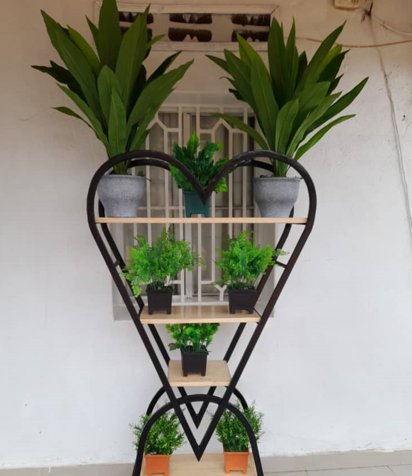
Maufacturing updates
Manufacturing Metal Design: An Overview
Introduction
Manufacturing metal design is a critical aspect of modern engineering and production, encompassing a wide range of processes that transform raw metal materials into functional and aesthetically pleasing products. From automotive components to architectural structures, metal design plays a vital role in various industries, ensuring durability, precision, and innovation.
Key Processes in Metal Design Manufacturing
- Material Selection
- The first step in metal design is selecting the appropriate material based on the intended application. Common metals used include steel, aluminum, copper, and titanium, each offering unique properties such as strength, weight, corrosion resistance, and conductivity.
- Design and Prototyping
- Utilizing Computer-Aided Design (CAD) software, engineers create detailed designs and prototypes. This stage allows for visualization and testing of the design before moving to production, helping to identify potential issues early in the process.
- Metal Forming
- Metal forming processes shape the metal into desired forms. Common techniques include:
- Stamping: Using a die to cut or shape metal sheets.
- Bending: Altering the shape of metal sheets or bars through mechanical force.
- Forging: Shaping metal using compressive forces, often at high temperatures.
- Metal forming processes shape the metal into desired forms. Common techniques include:
- Machining
- Machining involves removing material from a workpiece to achieve precise dimensions and surface finishes. Techniques include:
- Milling: Using rotating cutters to remove material.
- Turning: Rotating the workpiece against a cutting tool.
- Drilling: Creating holes in the metal.
- Machining involves removing material from a workpiece to achieve precise dimensions and surface finishes. Techniques include:
- Welding and Joining
- Various methods are used to join metal components, including:
- Arc Welding: Using an electric arc to melt and fuse metal.
- MIG and TIG Welding: Gas metal arc welding (MIG) and tungsten inert gas welding (TIG) for precision joining.
- Brazing and Soldering: Joining metals using a filler material that melts at a lower temperature.
- Various methods are used to join metal components, including: